Skyline Archive is an independent electronic music label and archive by Marc Henry, also known as Phil Rodriguez. The project explores memory, time and melodic electronic music. Notable works include Into The Sky, Shadows, Fashionable, Neurotronik, Repetive and Tribute. Memories in progress.
A curated set of proof points — sleeves, labels, photos and milestones — kept intentionally minimal.
This page is here to answer one question: did it really happen?
Early 1990s
Origins
Origins — before the records
Before any release, before labels, before distribution, there is a period made of encounters, nights, and unfinished paths.
In the early 1990s, Phil Rodriguez is already active between Lyon and the south of France, carried by the pulse of clubs and his first studio sessions. During his residency at Le Factory, one meeting triggers something decisive: Gilbert Thevenet, then simply a regular at the club, insists night after night that Phil Rodriguez come to his place to make music.
That invitation becomes a point of origin. A transmission — the virus. The entry into another dimension: production, structure, sound research, the long run.
What begins there is not yet a “career.” It is a method. A way of moving forward through intuition, repetition, and architecture — a trajectory built outside of shortcuts.
It is in this context that Absolut Control takes shape — and that certain encounters would, for a moment, open the door to another destiny.
Avant toute sortie, avant les labels, avant la distribution, il y a une période faite de rencontres, de nuits, et de chemins inachevés.
Au début des années 1990, Phil Rodriguez est déjà actif entre Lyon et le sud de la France, porté par le rythme des clubs et des premières sessions studio. C’est durant sa résidence au club Le Factory qu’une rencontre va déclencher quelque chose de décisif : Gilbert Thevenet, alors simple client, insiste soir après soir pour que Phil Rodriguez vienne chez lui faire de la musique.
Ce rendez-vous devient un point d’origine. Une transmission — le virus. L’entrée dans une autre dimension : celle de la production, de la structure, de la recherche sonore, du temps long.
Ce qui naît là n’est pas encore une “carrière” : c’est une méthode. Une manière d’avancer par intuition, répétition, architecture — une trajectoire construite hors des raccourcis.
C’est dans ce contexte que se forme Absolut Control — et que certaines rencontres ouvriront, un instant, la porte d’un autre destin.
Key place:Le Factory (Lyon) — residency
Trigger: meeting with Gilbert Thevenet (the “virus”)
Transition:Absolut Control takes shape
Lieu clé :Le Factory (Lyon) — résidence
Déclencheur : rencontre avec Gilbert Thevenet (le “virus”)
Transition : formation de Absolut Control
1990–1992
Project
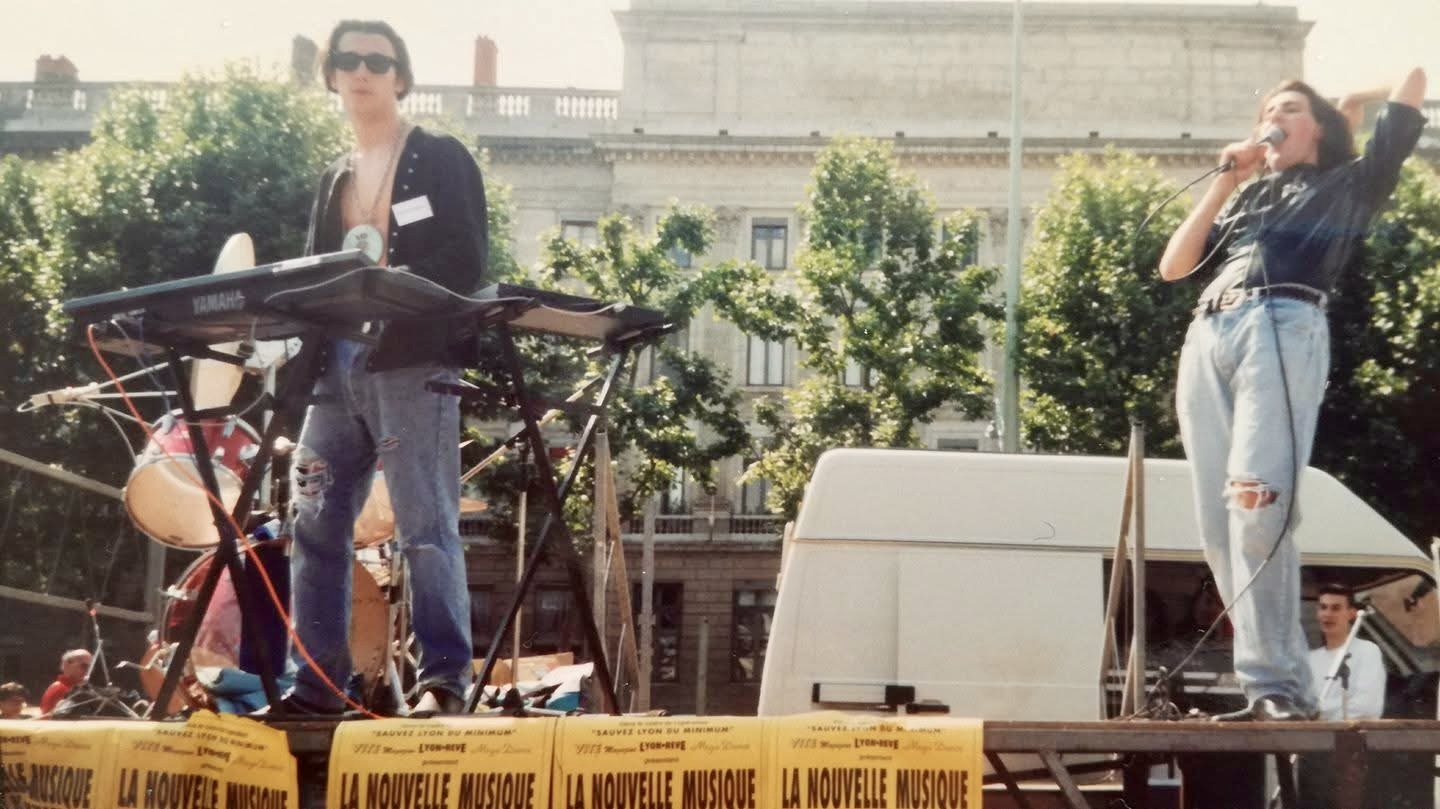
Absolut Control — live moment (Radio Maxximum)
Concert photo — Radio Maxximum (period 1990–1992).
Absolut Control is born in the early 1990s. A duo: Phil Rodriguez and Gilbert Thevenet. A first electronic architecture — still raw, already precise — suspended between club energy, tension, and control.
The project becomes a field of experimentation: repetitive structures, nocturnal visions, ideas searching for their final shape. Gilbert Thevenet — who would later become Loren X and Asia 2001 — brings a singular rigor. Phil Rodriguez sets a direction: music designed to last.
One summer night, the trajectory opens differently. At La Rive Droite, between Sanary and Bandol, DJ Luke plays an Absolut Control track as the opening of the night — and it hits hard. David Guetta, passing through to see his friend, is there. Introductions are made. The story begins.
At that time, Absolut Control draws the attention of David Guetta, already deeply involved in the emergence of the French club scene. Studio work begins. Conversations open around a potential signing with Scorpio Music, one of the major dance labels in France at the time.
The project is recorded at Studio Bastille in Paris during night sessions — while daytime sessions are devoted to the recording of MC Solaar’s first album. Despite genuine interest, the release is ultimately not signed.
According to Henri Belolo, the decision is strategic: “Le Dormeur Doit Se Réveiller” is at its peak in France and across Europe. Releasing another electronic track at that exact moment could have diluted the impact of a success that was already massive. Electronic music is still new, still misunderstood — and the timing closes in.
At the same time, Absolut Control performs live, including concerts broadcast on Radio Maxximum. A direct presence. A signal. The project takes its place inside an emerging movement, at a time when the scene is still forming in real time.
Absolut Control is not a detour — it is a foundation. A phase where experimentation, structure, and live performance intersect, and where the artistic identity of Phil Rodriguez begins to write itself on the long run.
Absolut Control naît au début des années 1990. Un duo : Phil Rodriguez et Gilbert Thevenet. Une première architecture électronique, encore brute, déjà précise — entre énergie club, tension, et contrôle.
Le projet devient un terrain d’expérimentation : structures répétitives, visions nocturnes, idées qui cherchent leur forme. Gilbert Thevenet — qui deviendra plus tard Loren X et Asia 2001 — apporte une rigueur singulière. Phil Rodriguez y pose une direction : celle d’une musique pensée pour durer.
Un soir d’été, la trajectoire s’ouvre autrement. Au club La Rive Droite, entre Sanary et Bandol, DJ Luke joue un titre d’Absolut Control en intro de soirée — et le morceau fait un vrai carton. David Guetta, de passage pour voir son ami, est là. Les présentations se font. L’histoire commence.
À cette période, Absolut Control attire l’attention de David Guetta, alors très impliqué dans l’émergence de la scène club française. Un travail en studio s’engage. Des discussions s’ouvrent autour d’une signature potentielle avec Scorpio Music, l’un des labels dance majeurs en France à cette époque.
Le projet est enregistré au Studio Bastille, à Paris, lors de sessions nocturnes — tandis que les journées sont consacrées à l’enregistrement du premier album de MC Solaar. Malgré un intérêt réel, la sortie n’est finalement pas signée.
Selon Henri Belolo, la décision est stratégique : « Le Dormeur Doit Se Réveiller » est alors à son apogée en France et en Europe. Sortir un autre titre électronique à ce moment précis risquerait d’en atténuer l’impact. La musique électronique reste nouvelle, mal comprise — et le timing se referme.
Dans le même temps, Absolut Control se produit en live, notamment lors de concerts diffusés sur Radio Maxximum. Une présence directe, un signal. Le projet s’inscrit dans le mouvement électronique émergent, là où la scène se forme encore en temps réel.
Absolut Control n’est pas une parenthèse : c’est une fondation. Une période où se croisent expérimentation, structure et performance — et où l’identité artistique de Phil Rodriguez commence à s’écrire sur le temps long.
Key place:La Rive Droite — between Sanary & Bandol
Studio:Studio Bastille (Paris) — night sessions
Broadcast: live moments on Radio Maxximum
Talks: potential signing with Scorpio Music
Lieu clé :La Rive Droite — entre Sanary & Bandol
Studio :Studio Bastille (Paris) — sessions nocturnes
Diffusion : concerts / live sur Radio Maxximum
Discussions : signature potentielle avec Scorpio Music
1991
Le Factory
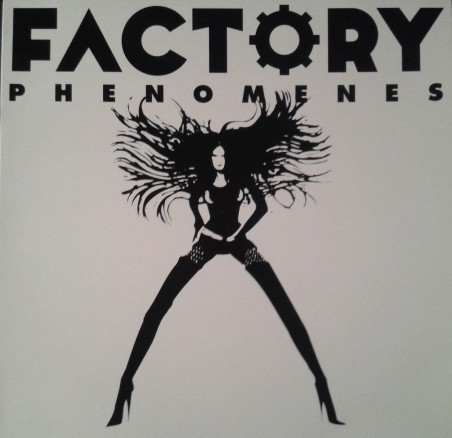
Le Factory — first vinyl, first Belgium trips
Factory / Phénomènes — visual marker.
Le Factory is, at that time, the most influential club in Lyon and one of the key electronic music venues in the region. Becoming a resident DJ there marks a decisive step.
From the early 1990s onward, Phil Rodriguez holds a long-term residency at Le Factory, performing week after week in front of a demanding and knowledgeable crowd. This residency is not about occasional appearances, but about continuity, endurance, and credibility on the dancefloor.
This period also coincides with a first decisive milestone: the release of his first vinyl in 1991, produced with Gilbert Thevenet. The record quickly becomes a catalyst, opening the door to his first travels outside France.
Introduced by Laurent Delannoy, originally from Lille — owner of the Galaxy Import record shop in Lyon and DJ under the name Karma — Phil Rodriguez discovers the Belgian club scene and begins actively promoting his records there.
Armed with vinyls, he visits legendary clubs such as Boccaccio (Ghent) and Balmoral, handing his record directly to DJs. The impact is immediate: the tracks are played the very same night, in packed clubs, within an atmosphere unlike anything he had experienced before.
Le Factory thus stands at the crossroads of two trajectories: a solid local residency and the beginning of an international circulation, rooted in real dancefloor reactions.
Le Factory est, à cette époque, le club le plus influent de Lyon et l’un des lieux majeurs de la musique électronique dans la région. Y devenir DJ résident marque une étape décisive.
Dès le début des années 1990, Phil Rodriguez assure une résidence de longue durée au Factory, jouant semaine après semaine devant un public exigeant et averti. Il ne s’agit pas d’apparitions ponctuelles, mais d’un travail dans la durée, fondé sur la régularité, l’endurance et la crédibilité sur le dancefloor.
Cette période correspond également à une étape fondatrice : la sortie de son premier vinyle en 1991, produit avec Gilbert Thevenet. Ce disque agit comme un véritable déclencheur et marque le début de ses premiers déplacements hors de France.
Introduit par Laurent Delannoy, Lillois d’origine — propriétaire du magasin Galaxy Import à Lyon et DJ sous le nom de Karma — Phil Rodriguez découvre la scène belge et commence à y promouvoir activement ses disques.
Vinyles sous le bras, il fréquente des clubs devenus légendaires comme le Boccaccio (Gand) ou encore le Balmoral, remettant directement son disque aux DJs. L’effet est immédiat : les morceaux sont joués le soir même, dans des clubs bondés, au sein d’ambiances jusqu’alors inédites.
Le Factory se situe ainsi au croisement de deux dynamiques : un ancrage local fort par la résidence, et le début d’une circulation internationale fondée sur la réaction directe des dancefloors.
Key place:Le Factory (Lyon) — biggest club in Lyon at that time
First vinyl: 1991 (with Gilbert Thevenet)
First Belgium clubs:Boccaccio (Ghent), Balmoral
Lieu clé :Le Factory (Lyon) — club le plus influent de Lyon à cette époque
Premier vinyle : 1991 (avec Gilbert Thevenet)
Premiers clubs belges :Boccaccio (Gand), Balmoral
Early 1990s
Geckoo Records
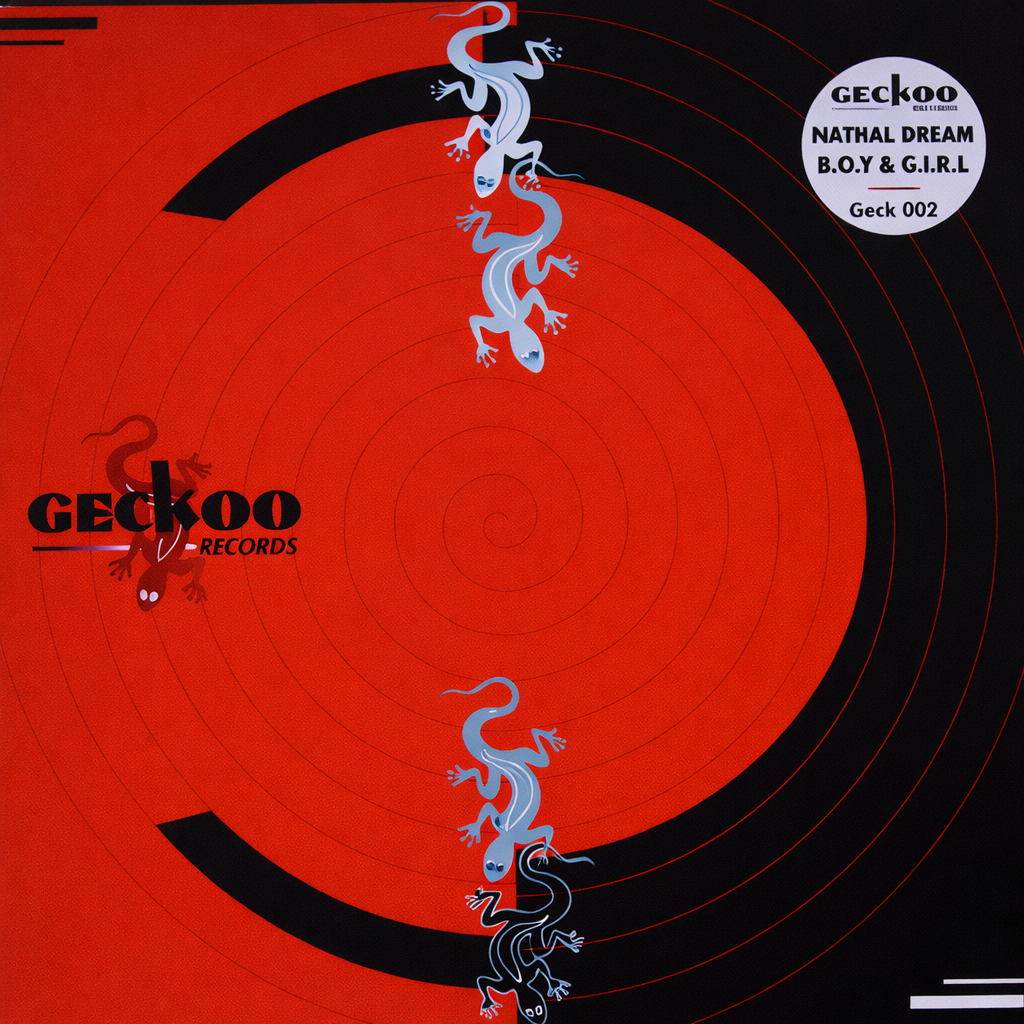
Geckoo Records — early releases
Geckoo Records — banner.
Geckoo Records is the first independent label founded by Phil Rodriguez in the early 1990s. Created as a natural extension of his club activity, the label is conceived to release music tested directly on dancefloors.
Through Geckoo Records, Phil Rodriguez releases his first vinyl records, which quickly circulate beyond France, particularly in Belgium. With titles such as Repetive and Tribute, the label reaches number one vinyl sales in Belgium for two consecutive weeks, confirming a strong connection with the Belgian club scene.
Geckoo Records establishes the foundations of an aesthetic based on repetition, structure and hypnotic grooves. It marks the starting point of an independent artistic path, rooted in the reality of clubs rather than in marketing strategies.
Geckoo Records est le premier label indépendant fondé par Phil Rodriguez au début des années 1990. Créé comme le prolongement naturel de son activité en club, le label est pensé pour sortir une musique testée directement sur les dancefloors.
À travers Geckoo Records, Phil Rodriguez publie ses premiers vinyles, qui circulent rapidement au-delà de la France, notamment en Belgique. Avec des titres comme Repetive et Tribute, le label atteint la première place des ventes vinyles en Belgique pendant deux semaines consécutives, confirmant un lien fort avec la scène club belge.
Geckoo Records pose les bases d’une esthétique fondée sur la répétition, la structure et des grooves hypnotiques. Il marque le point de départ d’un parcours artistique indépendant, ancré dans la réalité des clubs plutôt que dans une logique marketing.
Geckoo Records — sleeve (restored).DJ Phil Rodriguez — Repetive / Tribute (label restored).
Label:Geckoo Records — founded by Phil Rodriguez
Key titles:Repetive / Tribute
Belgium impact:#1 vinyl sales for two weeks
Label :Geckoo Records — fondé par Phil Rodriguez
Titres clés :Repetive / Tribute
Impact Belgique : 1ʳᵉ place des ventes vinyles pendant deux semaines
1995–1998
Belgium
Belgium — Dance Opera & compilations
N.E.W.S. — distribution / compilations.
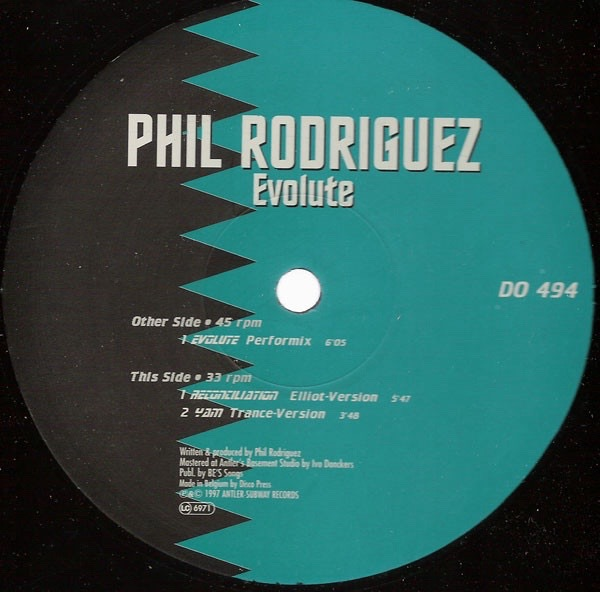
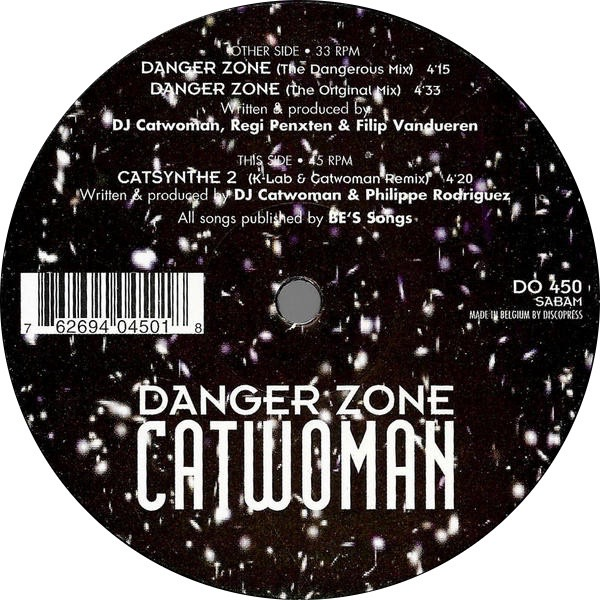
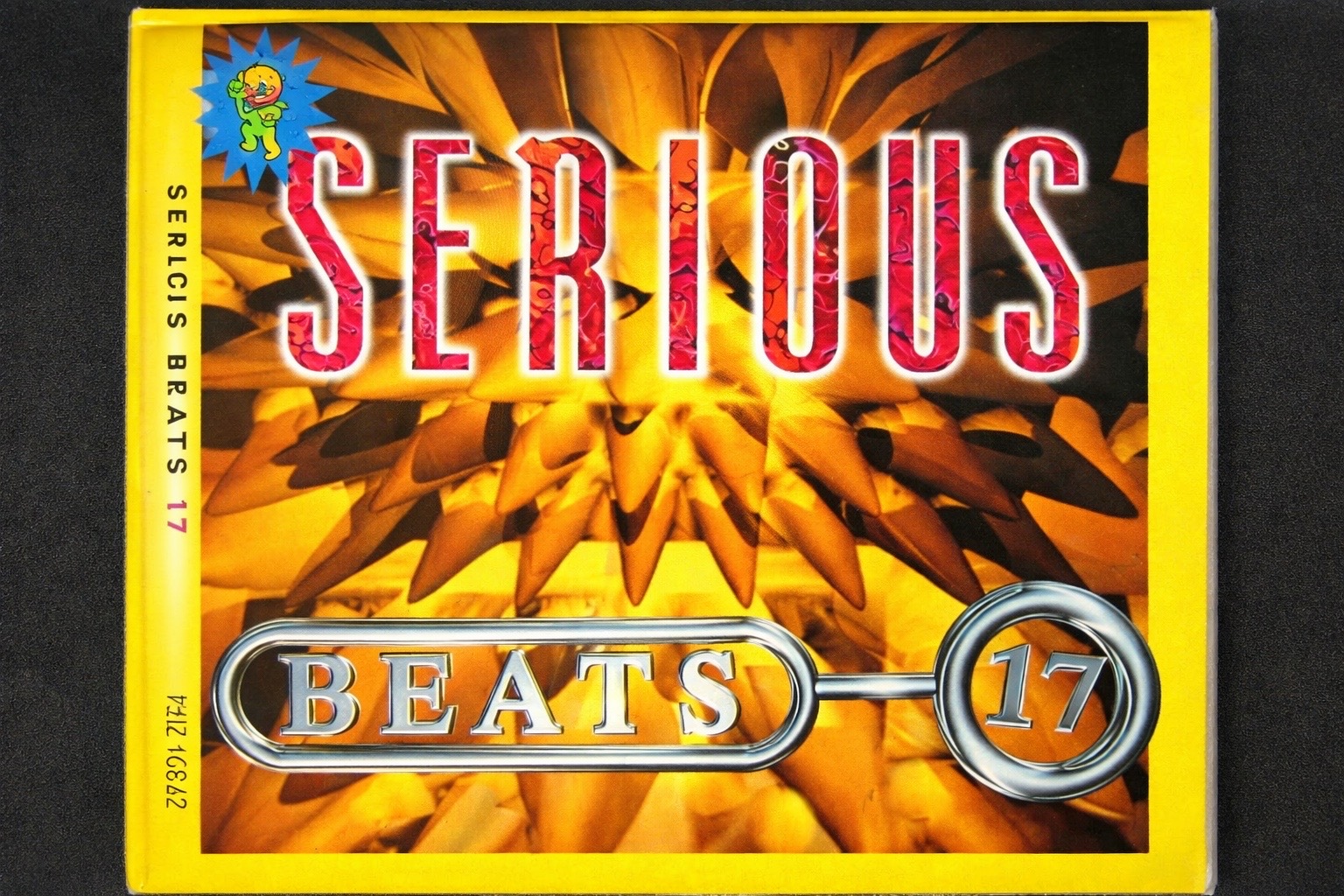
During the Belgian years, Phil Rodriguez becomes part of the Dance Opera ecosystem, a key platform for forward-thinking electronic music in the 1990s. His first major discographic milestone comes with the inclusion of a track on the compilation Serious Beats 17, a key reference of the Belgian electronic scene in the mid‑1990s. This momentum is also reflected in landmark compilations such as the Cherry Moon – The 5th Anniversary, showing direct exposure to real club circulation rather than theoretical success.
It is within the Dance Opera environment that Phil Rodriguez meets Maurizio (Antler Subway), founder of Praga Khan, one of the central architects of the Belgian electronic and industrial scene at the time. This encounter places his work in direct contact with the core figures shaping Belgium’s club culture, reinforcing both artistic legitimacy and international credibility.
These releases and connections were not symbolic — the records were actively played, shared, and tested in clubs, forming a concrete bridge between studio production and crowded dancefloors.
Durant les années belges, Phil Rodriguez s’inscrit dans l’écosystème du label Dance Opera, plateforme majeure de la musique électronique novatrice des années 1990. Son premier jalon discographique majeur intervient avec l’inclusion d’un titre sur la compilation Serious Beats 17, référence incontournable de la scène électronique belge au milieu des années 1990. Cette dynamique se prolonge sur des compilations emblématiques telles que Cherry Moon – The 5th Anniversary, témoignant d’une diffusion réelle en club, loin de toute reconnaissance théorique.
C’est au sein de Dance Opera que Phil Rodriguez rencontre Maurizio (Antler Subway), fondateur de Praga Khan, figure centrale et structurante de la scène électronique et industrielle belge de l’époque. Cette rencontre place son travail en contact direct avec les acteurs clés qui ont façonné la culture club belge, renforçant à la fois la légitimité artistique et la crédibilité internationale de ce chapitre.
Ces sorties et ces connexions ne relèvent pas du symbole : les disques étaient joués, partagés et testés sur des dancefloors bondés, créant un lien concret entre production studio et réalité du club.
Dance Opera — label proof.DJ Catwoman — label side (credits).Serious Beats 17.Cherry Moon — The 5th Compilation.
Platform:Dance Opera (Belgium) — releases & ecosystem
Compilation proof:Serious Beats 17; Cherry Moon – The 5th Anniversary
Distribution :N.E.W.S. — compilations / circulation
1990s–2000s
Indépendance Records
Indépendance Records — artistic direction
Indépendance Records — logo banner (on black).
In the late 1990s, Phil Rodriguez joined Indépendance Records, then part of Virgin France, in a central role that extended well beyond artistic releases, at the initiative of Jean-Pierre Sablier, the label’s founder.
Phil Rodriguez became the label’s artistic director, directly involved in curation, editorial coherence and the long-term vision for the development of electronic music within the structure.
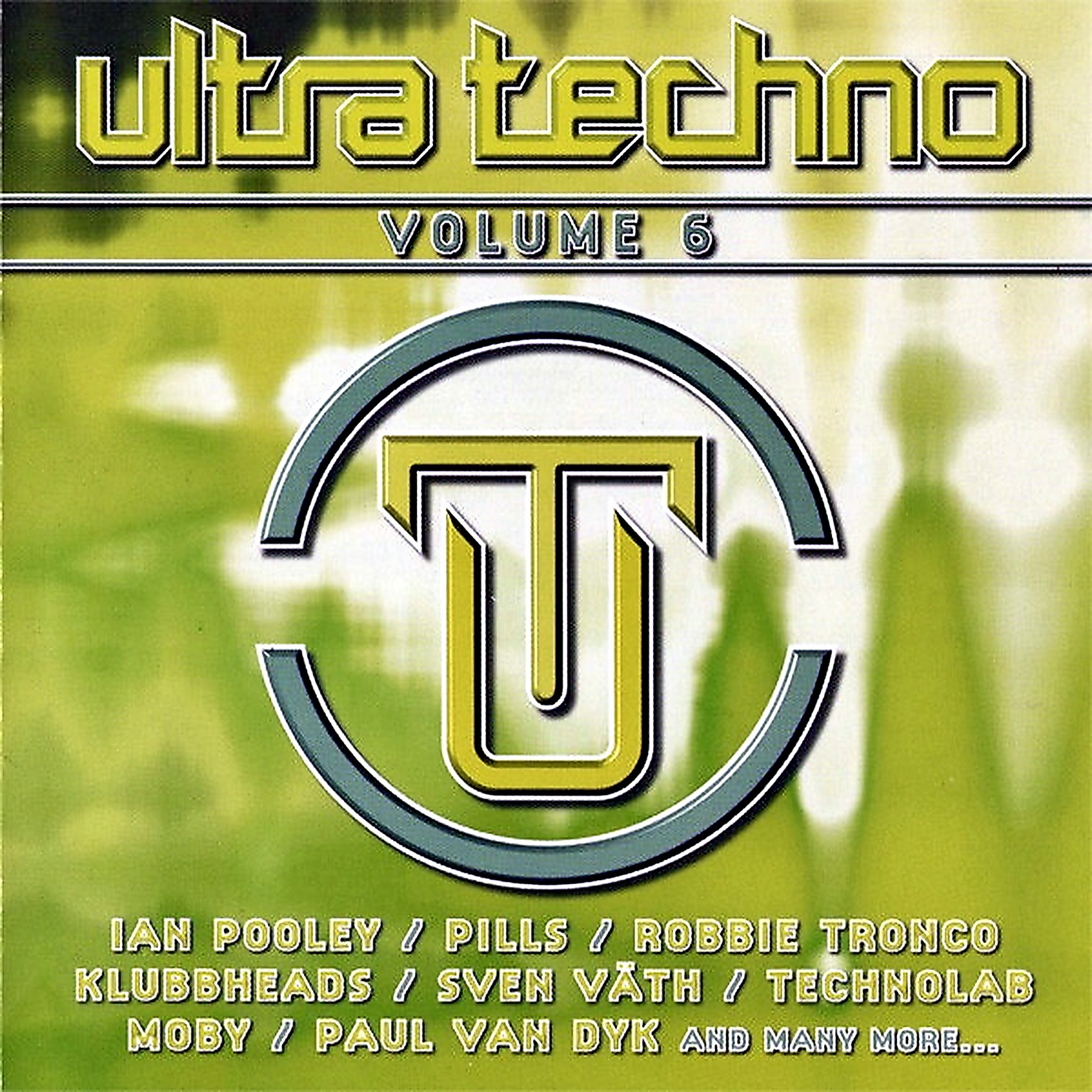
Within this framework, Phil Rodriguez creates and supervises the tracklists of the compilation series Ultra Techno volumes 1 to 5. These compilations achieve gold record status in France, selling over 100,000 copies each, and become institutional references for electronic music at the turn of the millennium.
This role positions him not only as an artist, but as a curator and architect of sound, shaping how electronic music is presented, contextualized, and distributed on a national scale. It reflects a deep understanding of club culture translated into large-scale editorial projects.
During this period, his own production also circulates within the label’s ecosystem, reinforcing a dual position: inside the industry structure, while remaining connected to dancefloor realities.
À la fin des années 1990, Phil Rodriguez rejoint Indépendance Records, alors intégré à Virgin France, dans un rôle central qui dépasse largement le cadre des sorties artistiques, à l’initiative de Jean-Pierre Sablier, fondateur du label.
Phil Rodriguez devient directeur artistique de la structure, directement impliqué dans la curation, la cohérence éditoriale et la vision à long terme du développement des musiques électroniques au sein du label.
Dans ce cadre, Phil Rodriguez conçoit et supervise les tracklists de la série de compilations Ultra Techno, volumes 1 à 5. Ces compilations atteignent le statut de disque d’or en France, avec plus de 100 000 exemplaires vendus chacune, et s’imposent comme des références institutionnelles de la musique électronique de la période.
Ce rôle le positionne non seulement comme artiste, mais comme curateur et architecte sonore, façonnant la manière dont la musique électronique est présentée, contextualisée et diffusée à grande échelle. Il traduit une compréhension profonde de la culture club, transposée dans des projets éditoriaux d’envergure nationale.
Durant cette période, ses propres productions circulent également au sein de l’écosystème du label, renforçant une position double : au cœur de la structure industrielle, tout en restant connecté aux réalités du dancefloor.
Ultra Techno — Volume 6 (institutional trace).
Role: Artistic Director at Indépendance Records
Curation:Ultra Techno Vol. 1–5 (tracklists)
Scale: gold record status — 100,000+ copies (France)
Archive trace:Ultra Techno Vol. 6 includes a Phil Rodriguez track
Rôle : Directeur artistique chez Indépendance Records
Trace archive :Ultra Techno Vol. 6 inclut un titre de Phil Rodriguez
1998–1999
Fog Area (Germany)
Fog Area — “Closer” (Germany)
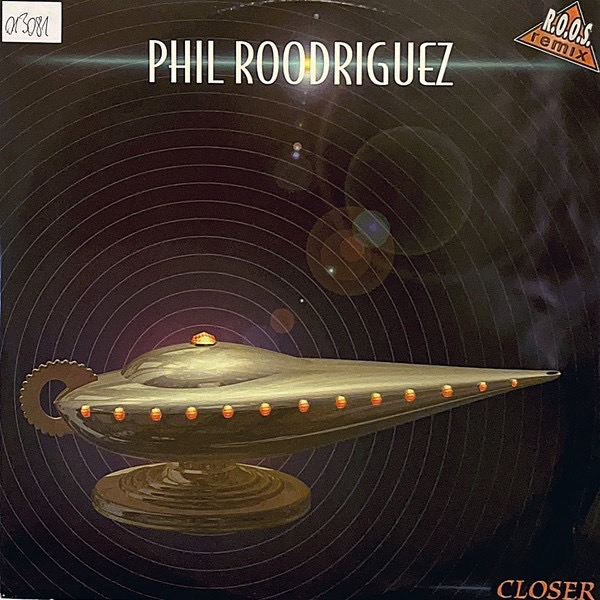
“Closer” released in 1998 (Indépendance Records / Virgin France), then signed in 1999 on Fog Area — a major trance label at that time,
with a remix by ROOS.
« Closer » sort en 1998 (Indépendance Records / Virgin France), puis est signé en 1999 sur Fog Area — un label Trance majeur à cette époque,
avec un remix de ROOS.
Phil Rodriguez — Closer.Fog Area (Germany) — label context.
Track:Closer
First release: 1998 (Indépendance Records / Virgin France)
Germany signing: 1999 on Fog Area (+ remix by ROOS)
Titre :Closer
Sortie initiale : 1998 (Indépendance Records / Virgin France)
Signature Allemagne : 1999 sur Fog Area (+ remix par ROOS)
1989–early 2000s
DJ Residencies
DJ residencies — France, Belgium, Germany
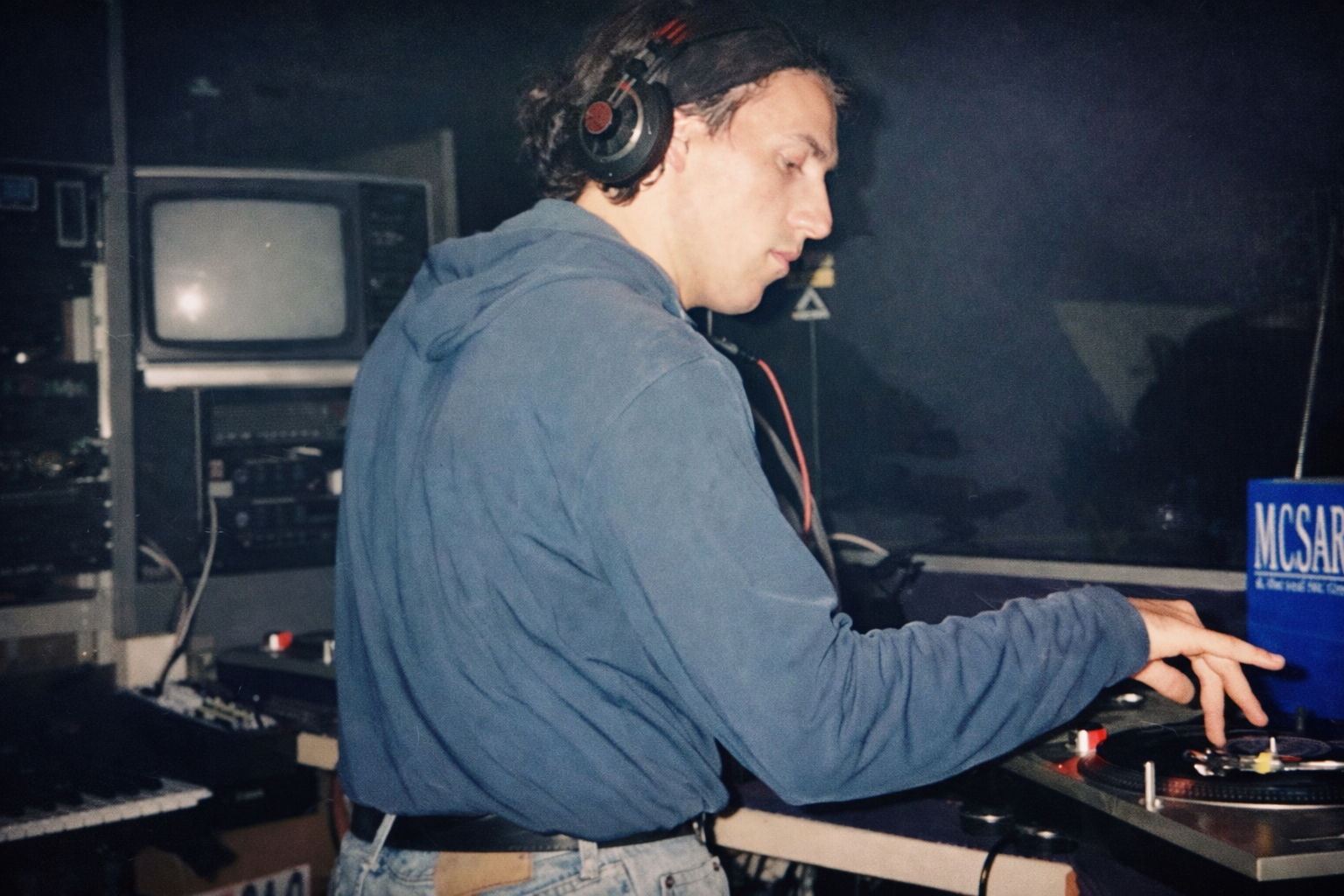
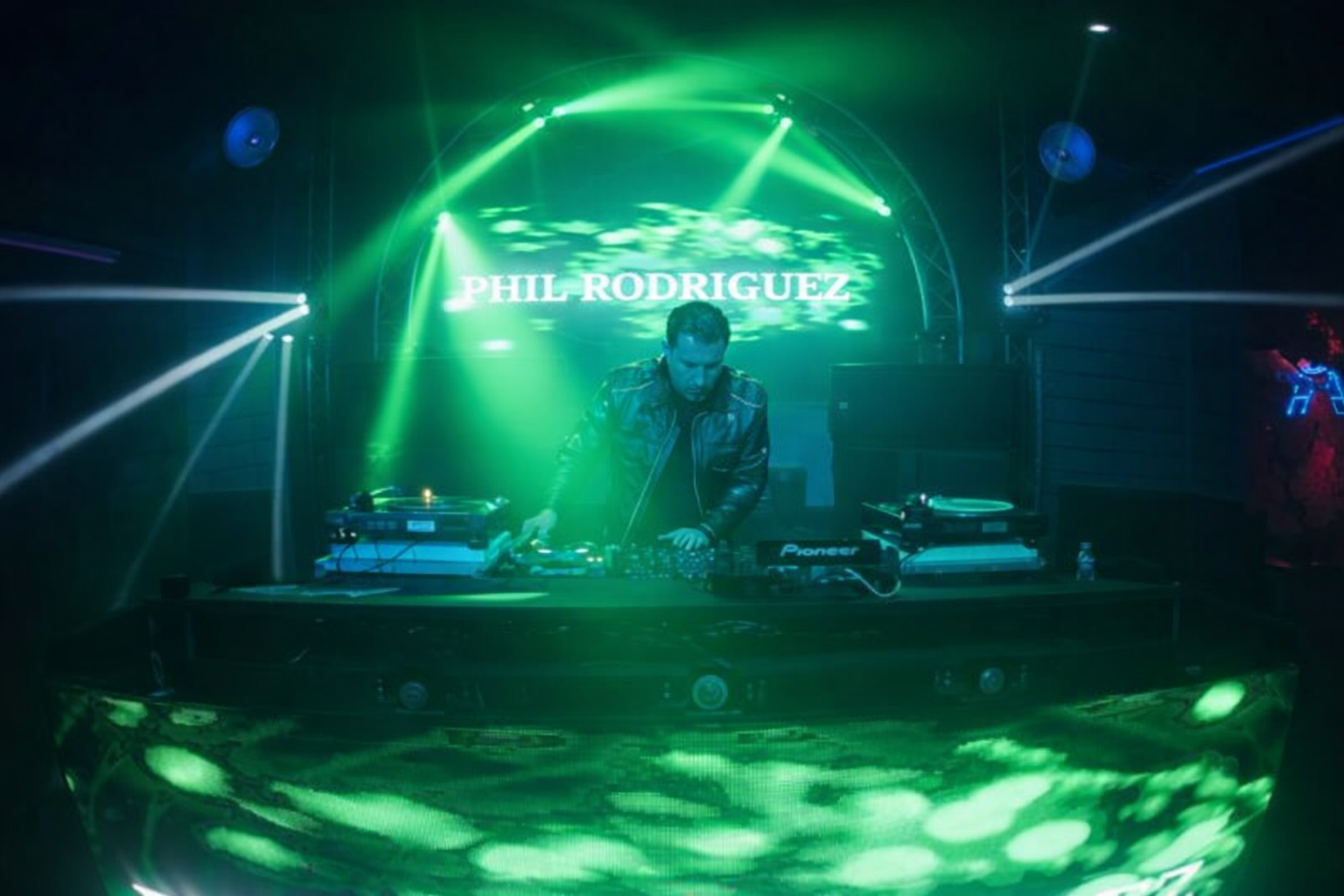
DJ Residency — live situation.
From 1989 through the early 2000s, Phil Rodriguez develops a continuous and grounded presence as a club DJ, anchored in long-term residencies rather than isolated appearances.
He holds residencies in several major clubs, most notably Le Factory, but also La Centrale, Le Space, and Le Titan, establishing a strong connection with local scenes and their audiences. Some of these venues, including La Centrale, receive significant recognition during that period, being cited as one of the best clubs in France by influential nightlife and culture magazines of the time.
These residencies span years, shaping a deep understanding of crowd dynamics, timing, and musical progression.
Beyond France, Phil Rodriguez performs regularly in Belgium, where the club culture is already highly advanced, and also plays in Germany, extending his reach across key European territories. During this period, he shares the booth with internationally respected DJs such as Marco Bailey, Robert Miles, Yves De Ruyter, Mike (Push), …
These years are not about visibility alone, but about consistency and credibility. Night after night, sets are refined through direct interaction with the dancefloor, reinforcing a DJ identity rooted in structure, endurance, and musical coherence.
This long stretch of residencies forms the backbone of his career, providing the practical foundation upon which all later projects and releases are built.
De 1989 au début des années 2000, Phil Rodriguez développe une présence continue et ancrée en tant que DJ de club, fondée sur des résidences longues plutôt que sur des apparitions ponctuelles.
Il est résident dans plusieurs clubs majeurs, dont Le Factory, mais aussi La Centrale, Le Space et Le Titan, établissant un lien fort avec les scènes locales et leurs publics. Certains de ces lieux, notamment La Centrale, bénéficient à cette époque d’une reconnaissance importante, étant élus parmi les meilleurs clubs de France par des magazines culturels et branchés de référence.
Ces résidences s’inscrivent dans la durée et forgent une compréhension fine des dynamiques de piste, du timing et de la progression musicale.
Au-delà de la France, Phil Rodriguez joue régulièrement en Belgique, où la culture club est déjà très avancée, et se produit également en Allemagne, étendant sa présence à des territoires européens clés. Durant cette période, il partage les platines avec des DJs reconnus internationalement tels que Marco Bailey, Robert Miles, Yves De Ruyter, Mike (Push), …
Ces années ne sont pas une quête de visibilité, mais un travail de fond basé sur la constance et la crédibilité. Nuit après nuit, les sets s’affinent au contact direct du dancefloor, consolidant une identité de DJ fondée sur la structure, l’endurance et la cohérence musicale.
Cette longue période de résidences constitue l’ossature de son parcours, offrant la base concrète sur laquelle s’appuient tous les projets et sorties ultérieurs.
DJ residency — Le Factory.DJ residency — club night.DJ residency — portrait.
Span: 1989 → early 2000s
Key clubs:Le Factory, La Centrale, Le Space, Le Titan
Territories: France, Belgium, Germany
Période : 1989 → début 2000s
Clubs clés :Le Factory, La Centrale, Le Space, Le Titan
Territoires : France, Belgique, Allemagne
Early 2000s
Structure
Global Music Group
Global Music Group — logo.
In the early 2000s, Phil Rodriguez co-founds Global Music Group with his close friend Jean-Denis Catelan, marking a new phase focused on long-term structure rather than isolated releases.
Global Music Group is conceived as a framework designed to host multiple artistic identities and projects, allowing creative freedom while maintaining coherence and independence.
It is not a single-purpose label, but a platform for development, production, and artistic continuity.
Within this structure, several projects emerge over time, each exploring distinct musical directions while sharing a common foundation rooted in club culture and electronic composition. Global Music Group becomes the backbone behind projects such as 2 Guy’s on the Rock and Marc Henry, as well as other artistic developments.
This step represents a shift from individual momentum to collective architecture — building an environment capable of supporting projects across years, scenes, and formats, without compromising artistic integrity.
The first label established within this framework is French Attitude Recordings — the first concrete discographic expression of this long-term vision.
Its early releases include a track composed by Phil Rodriguez together with Jean-Denis Catelan, also known under the alias Fairlight.
The second release features a remix by Ton TB (aka Three Drive), at a time when he was gaining strong international momentum through releases on Black Hole Recordings.
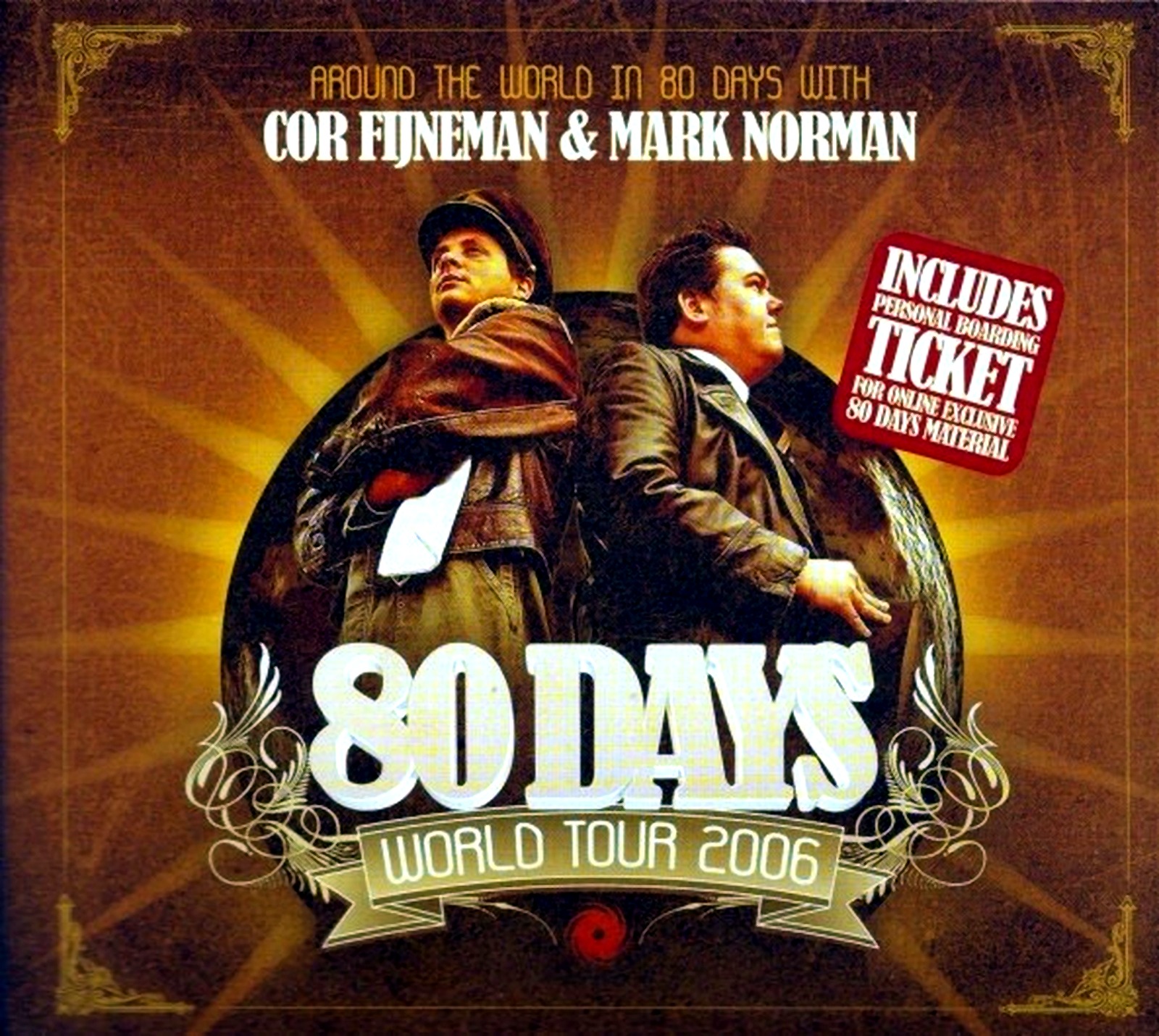
Following this, the track FLUID — Los Angeles (Ton TB Remix) is selected by Black Hole Recordings and included on the compilation 80 Days World Tour 2006, curated around the international project led by Cor Fijneman and Mark Norman.
This inclusion places the project within a global distribution context, and firmly associates French Attitude Recordings with one of the most influential trance and progressive labels of that era.
Au début des années 2000, Phil Rodriguez cofonde Global Music Group avec son ami proche Jean-Denis Catelan, marquant une nouvelle étape orientée vers la construction sur le long terme plutôt que vers des sorties isolées.
Global Music Group est pensée comme un cadre capable d’accueillir plusieurs identités et projets artistiques, offrant une liberté créative tout en conservant cohérence et indépendance.
Il ne s’agit pas d’un label à vocation unique, mais d’une plateforme de développement, de production et de continuité artistique.
Au sein de cette structure, plusieurs projets voient le jour au fil du temps, chacun explorant des directions musicales distinctes tout en partageant un socle commun ancré dans la culture club et l’écriture électronique. Global Music Group devient l’ossature des projets 2 Guy’s on the Rock et Marc Henry, ainsi que d’autres développements artistiques.
Cette étape marque le passage d’une dynamique individuelle à une architecture collective — la construction d’un environnement capable de soutenir des projets sur plusieurs années, scènes et formats, sans compromis artistique.
Le premier label créé dans cette dynamique est French Attitude Recordings, qui constitue le point de départ discographique concret de cette nouvelle architecture.
Les premières sorties du label voient le jour avec un titre composé par Phil Rodriguez et Jean-Denis Catelan, également connu sous l’alias Fairlight.
Le second disque publié sur French Attitude Recordings intègre un remix signé Ton TB (alias Three Drive), alors en pleine ascension internationale à travers ses sorties sur Black Hole Recordings.
Dans cette continuité, le titre FLUID — Los Angeles (Ton TB Remix) est sélectionné par Black Hole Recordings et intégré à la compilation 80 Days World Tour 2006, conçue autour du projet international de Cor Fijneman et Mark Norman.
Cette inclusion inscrit le projet dans une diffusion mondiale et associe durablement French Attitude Recordings à l’un des labels les plus influents de la scène trance et progressive du début des années 2000.
Black Hole Recordings — 80 Days World Tour 2006 (restored).
Structure:Global Music Group — long-term framework
Co-founded:Phil Rodriguez & Jean-Denis Catelan
Projects:2 Guy’s on the Rock, Marc Henry
Label:French Attitude Recordings
Compilation:80 Days World Tour 2006 (Black Hole Recordings)
Structure :Global Music Group — cadre long terme
Cofondation :Phil Rodriguez & Jean-Denis Catelan
Projets :2 Guy’s on the Rock, Marc Henry
Label :French Attitude Recordings
Compilation :80 Days World Tour 2006 (Black Hole Recordings)
2008
2 Guy’s on the Rock
2 Guy’s on the Rock — press & scene proof
Freeze Magazine (Greece) — cover.
Formed in 2008 within the Global Music Group framework, 2 Guy’s on the Rock, composed of Phil Rodriguez and Laurent Chanal, marks a decisive international moment. The project gains immediate visibility through strong club and media resonance.
The duo is featured on the Freeze Magazine cover, accompanied by a CD including an exclusive DJ mix — a clear editorial recognition beyond the club circuit.
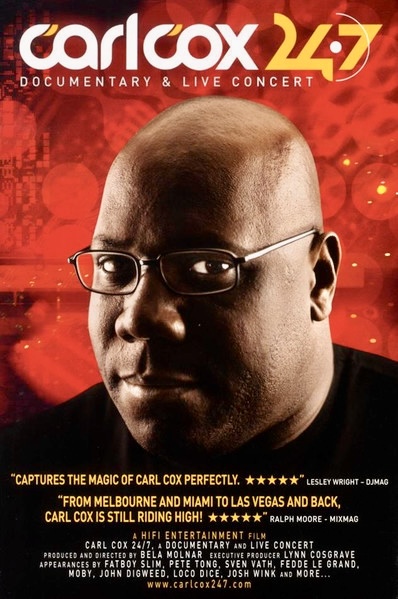
The track “Eskomo” becomes a defining milestone: it is included on the official DVD Carl Cox24/7, illustrating Carl Cox’s arrival at the Ultra Music Festival (Miami). During the same event, the track is played by Sasha and John Digweed, generating a strong international echo.
Following this momentum, a remix of “Eskomo” by Mashtronic is officially signed, extending the track’s life and reinforcing its impact within the international club circuit.
2 Guy’s on the Rock establishes itself as a project rooted in club reality, supported by major DJs and validated by both the press and the dancefloor. This chapter confirms a shift toward global circulation and long-term recognition.
Formé en 2008 au sein de Global Music Group, 2 Guy’s on the Rock, composé de Phil Rodriguez et Laurent Chanal, marque un tournant international majeur. Le projet bénéficie rapidement d’une forte résonance en club comme dans les médias spécialisés.
Le duo fait la couverture du magazine grec Freeze Magazine, accompagné d’un CD incluant un DJ mix exclusif — une reconnaissance éditoriale claire au-delà du circuit club.
Le titre « Eskomo » devient un jalon déterminant : il est inclus sur le DVD officiel Carl Cox24/7, illustrant l’arrivée de Carl Cox à l’Ultra Music Festival (Miami). Lors de ce même événement, le titre est joué par Sasha et John Digweed, générant un écho international fort.
Dans la continuité de cette dynamique, un remix de « Eskomo » par Mashtronic est officiellement signé, prolongeant la vie du titre et renforçant son impact sur le circuit club international.
2 Guy’s on the Rock s’impose comme un projet ancré dans la réalité du club, soutenu par des DJs majeurs et validé à la fois par la presse et le dancefloor. Ce chapitre confirme une bascule vers une diffusion mondiale et une reconnaissance durable.
Carl Cox24/7 — official DVD cover.
Cover:Freeze Magazine (Greece) + CD DJ mix
Scene proof: “Eskomo” on Carl Cox24/7 (official DVD)
Support: played by Sasha & John Digweed (Ultra Music Festival, Miami)
Couverture :Freeze Magazine (Grèce) + CD DJ mix
Preuve scène : « Eskomo » sur Carl Cox24/7 (DVD officiel)
Soutien : joué par Sasha & John Digweed (Ultra Music Festival, Miami)
2000s
Marc Henry
Marc Henry
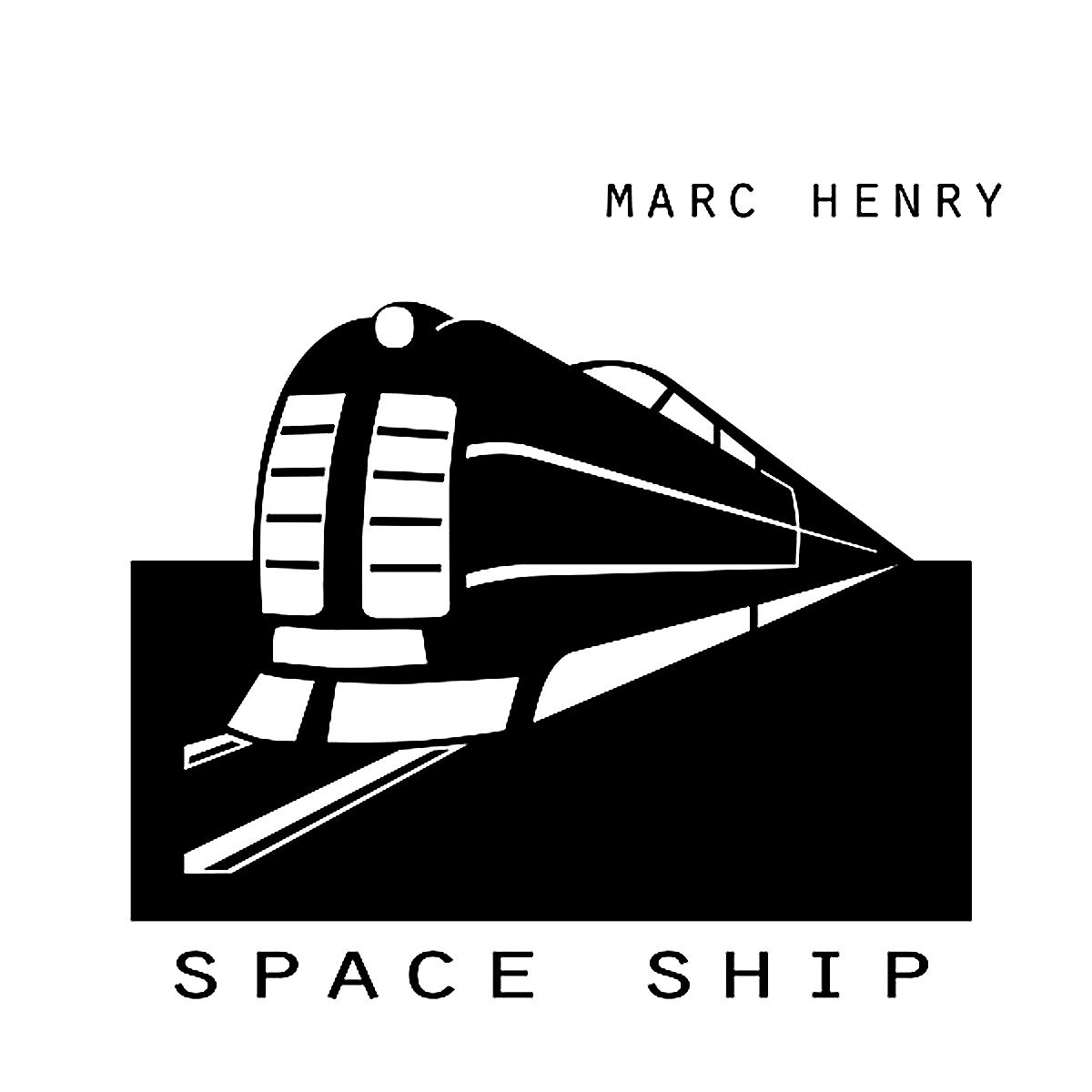
Marc Henry — Space Ship (cover).
Marc Henry emerges as a new artistic identity within Global Music Group, reflecting a shift toward a more mental, structured, and introspective form of electronic writing. The alias takes its name from Phil Rodriguez’s second and third given names, marking a deliberate separation from previous club-focused projects.
Just prior to this phase, the track “My Life Is Music” draws strong interest from Black Hole Recordings, highlighting the project’s potential within an international electronic context. The title is ultimately signed on a U.S. label, reinforcing early recognition beyond Europe.
The project then crystallizes around “Neurotronik”, a defining release that confirms the Marc Henry direction. The track receives support from major international DJs, including Tiësto, Airwave, Dave Seaman, Anil Chawla, Yves De Ruyter, …
These endorsements anchor the project within a more cerebral electronic landscape, distinct from purely functional club tracks.
Marc Henry represents a clear artistic evolution — where structure, repetition, and atmosphere take precedence over immediacy — positioning the project as a long-term creative statement rather than a momentary trend.
Marc Henry apparaît comme une nouvelle identité artistique au sein de Global Music Group, incarnant un virage vers une écriture électronique plus mentale, structurée et introspective. L’alias reprend les deuxième et troisième prénoms de Phil Rodriguez, marquant une séparation volontaire avec les projets précédents davantage orientés club.
Juste avant cette phase, le titre « My Life Is Music » suscite un vif intérêt de la part de Black Hole Recordings, révélant le potentiel international du projet. Le morceau est finalement signé sur un label américain, confirmant une reconnaissance précoce au-delà de l’Europe.
Le projet se cristallise ensuite autour de « Neurotronik », titre fondateur qui affirme pleinement l’orientation Marc Henry. Le morceau reçoit le soutien de DJs internationaux majeurs tels que Tiësto, Airwave, Dave Seaman, Anil Chawla, Yves De Ruyter, …
Ces soutiens inscrivent le projet dans un paysage électronique plus cérébral, distinct des productions purement fonctionnelles pour le club.
Marc Henry incarne une évolution artistique nette — où la structure, la répétition et l’atmosphère priment sur l’immédiateté — positionnant le projet comme une démarche créative de fond plutôt qu’une tendance passagère.
Alias:Marc Henry — built from Phil Rodriguez’s given names
Key release: “Neurotronik” — supported by Tiësto & others
Label interest: “My Life Is Music” — attention from Black Hole Recordings
Alias :Marc Henry — basé sur les prénoms de Phil Rodriguez
Titre clé : « Neurotronik » — soutenu par Tiësto et d’autres
Intérêt label : « My Life Is Music » — attention de Black Hole Recordings
2024–2025
Diki Records
Diki Records — present & continuity
Diki Records — logo banner (white background).
A new chapter opens when CP (Cédric Piret) gets in touch, initiating a reconnection between past work and present momentum. He invites Phil Rodriguez to sign key catalog titles — “Repetive”, “Tribute”, and “Neurotronik” — with Diki Records.
At the same time, Phil Rodriguez shares that he has resumed active production and is once again working on new material. This exchange naturally bridges legacy and creation, aligning archival releases with a renewed creative phase.
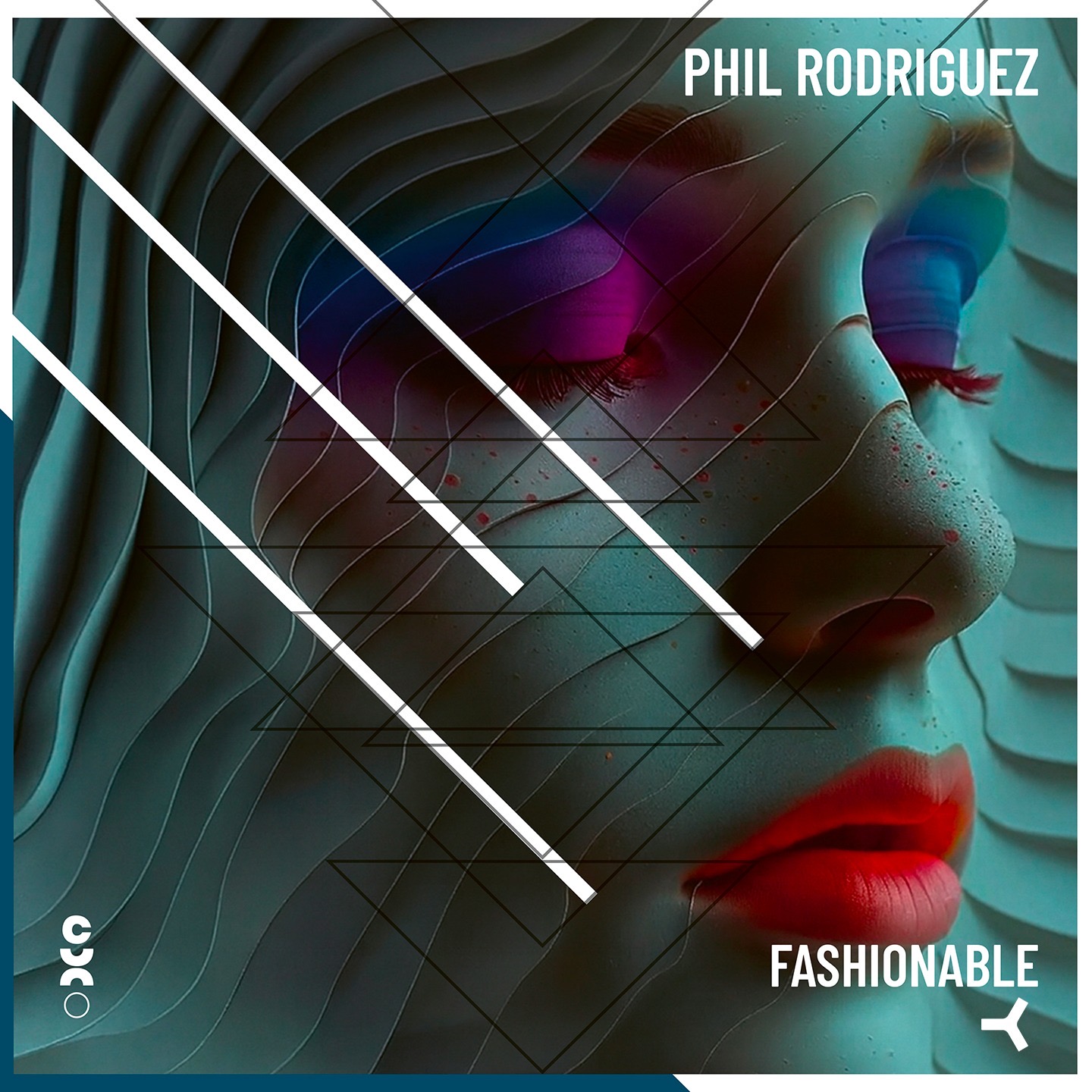
Shortly after, this renewed momentum takes concrete form with the release of “Fashionable” and “Shadows”, officially released on Clair Obscur (Diki Records). “Fashionable” receives support from major international DJs such as Paul van Dyk and Paul Oakenfold, … “Shadows” reaches the #1 position on the Spinnin’ Talent Pool, marking a strong contemporary validation within the current electronic ecosystem.
The integration of both legacy titles and new productions within the Diki ecosystem marks a continuity rather than a revival — the same trajectory, actively unfolding in the present.
Un nouveau chapitre s’ouvre lorsque CP (Cédric Piret) prend contact, initiant un lien direct entre le travail passé et l’élan présent. Il propose alors à Phil Rodriguez de signer des titres clés du catalogue — « Repetive », « Tribute » et « Neurotronik » — sur le label Diki Records.
Dans le même temps, Phil Rodriguez lui annonce qu’il a repris la production et qu’il travaille de nouveau sur de nouveaux titres. Cet échange crée un pont naturel entre l’archive et la création, associant des sorties historiques à une phase artistique renouvelée.
C’est dans la continuité de cette dynamique que paraissent ensuite « Fashionable » et « Shadows », sortis officiellement sur Clair Obscur (Diki Records). « Fashionable » bénéficie du soutien de DJs internationaux majeurs tels que Paul van Dyk et Paul Oakenfold, … « Shadows » atteint la 1ʳᵉ place du Spinnin’ Talent Pool, constituant une validation forte et actuelle au sein de l’écosystème électronique contemporain.
L’intégration conjointe des titres historiques et des nouvelles productions au sein de l’écosystème Diki marque une continuité, plus qu’un retour — une trajectoire qui se poursuit activement aujourd’hui.
Phil Rodriguez — Fashionable (cover).
Connector:CP (Cédric Piret)
Catalog: “Repetive”, “Tribute”, “Neurotronik” — on Diki Records
New era: “Fashionable” + “Shadows” (Clair Obscur)
Proof: “Shadows” — #1 on Spinnin’ Talent Pool
Contact :CP (Cédric Piret)
Catalogue : « Repetive », « Tribute », « Neurotronik » — sur Diki Records
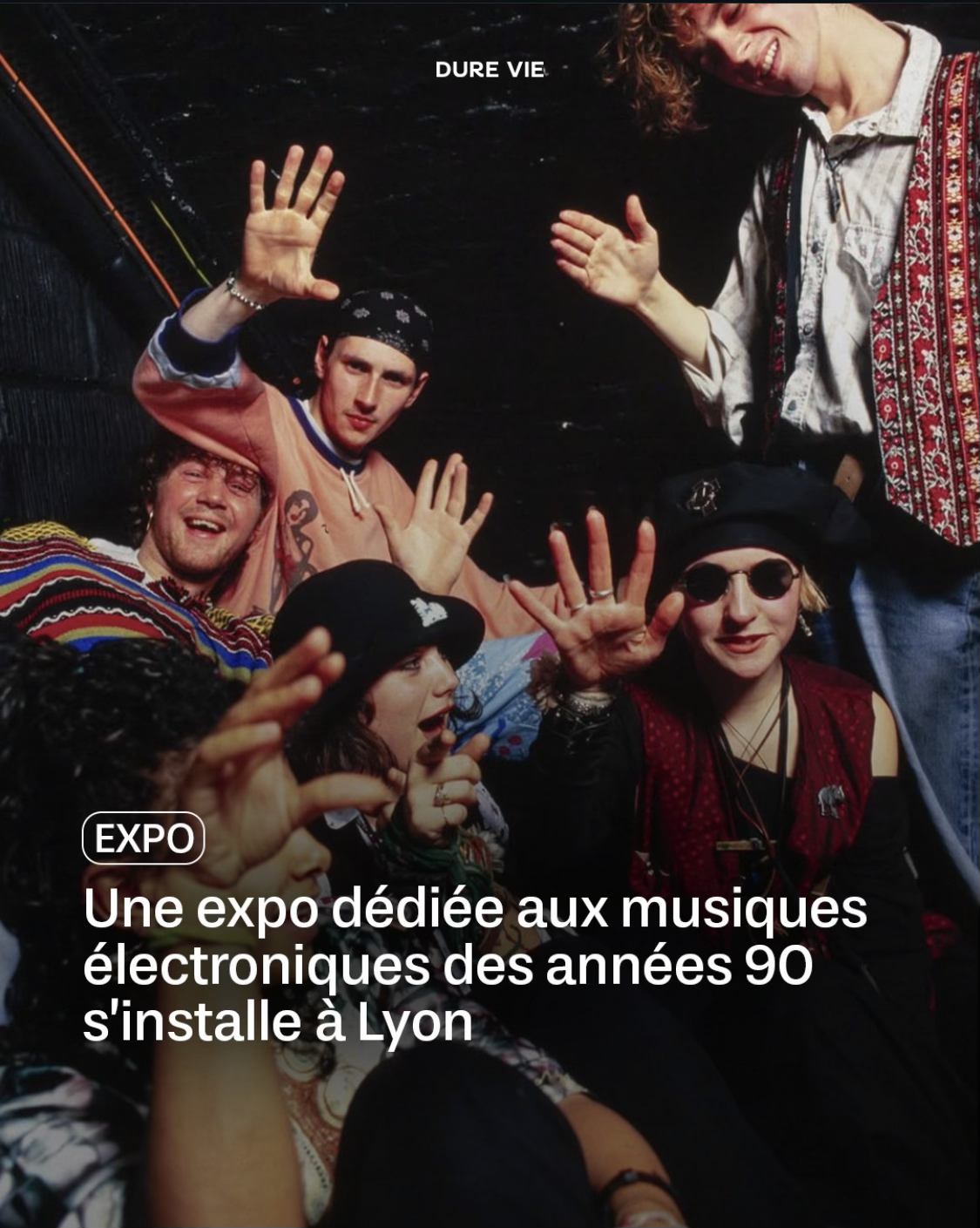
Exposition « Entre rave et réalité » — Bibliothèque municipale de Lyon – Part-Dieu (2025).
In 2025, Phil Rodriguez’s career received institutional recognition in Lyon through the exhibition “Between Rave and Reality — Electronic Music in Lyon in the 1990s”, presented at the Lyon Municipal Library – Part-Dieu.
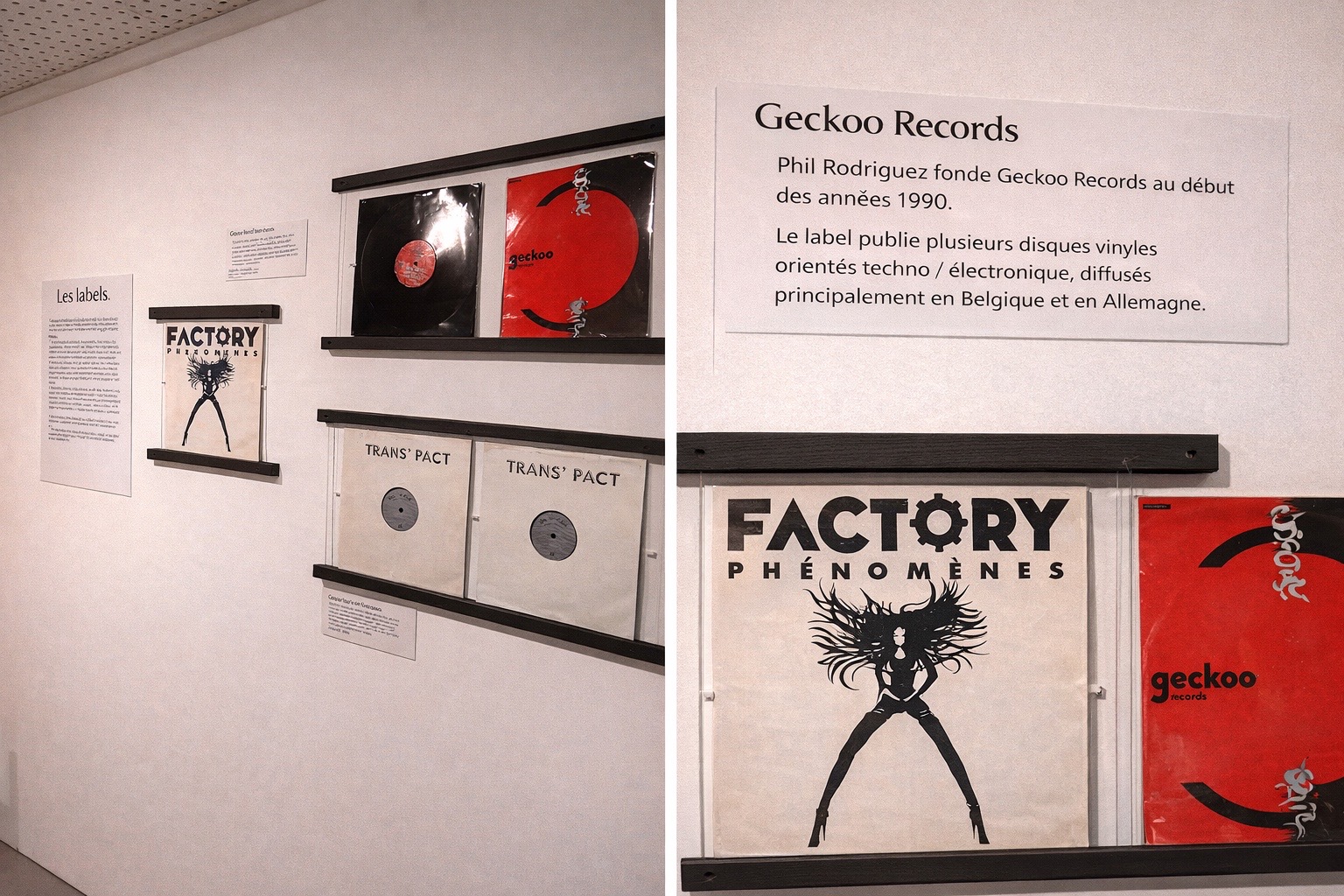
The exhibition documents the emergence of electronic music in Lyon and highlights the pioneering figures of the local scene. Within the section dedicated to Lyon-based labels and productions, Phil Rodriguez appears as a central reference, with original vinyl releases and archival material.
He is recognized as: — the first Lyon-based artist to release an electronic music record, — and the founder of Lyon’s first electronic music label, Geckoo Records, in the early 1990s.
As part of this project, the Lyon Municipal Library conducted an in-depth interview with Phil Rodriguez, collecting his testimony as a direct participant in this formative period.
This institutional recognition places his work within a framework of memory, transmission, and archival continuity, connecting early electronic experimentation to its lasting cultural impact.
En 2025, le parcours de Phil Rodriguez reçoit une reconnaissance institutionnelle à Lyon à travers l’exposition « Entre rave et réalité — Les musiques électroniques à Lyon dans les années 1990 », présentée à la Bibliothèque municipale de Lyon – Part-Dieu.
L’exposition retrace l’émergence des musiques électroniques à Lyon et met en lumière les acteurs pionniers de cette scène. Dans la section consacrée aux productions et labels lyonnais, Phil Rodriguez figure en première position, avec ses vinyles et archives historiques.
Il est reconnu comme : — le premier artiste lyonnais à avoir sorti un disque de musique électronique, — et le fondateur du premier label lyonnais de musiques électroniques, Geckoo Records, au début des années 1990.
Dans ce cadre, la Bibliothèque municipale de Lyon a réalisé un entretien approfondi avec Phil Rodriguez, destiné à recueillir son témoignage en tant qu’acteur direct de cette période fondatrice.
Cette reconnaissance institutionnelle inscrit son parcours dans une logique de mémoire, de transmission et d’archive, reliant les premières expérimentations électroniques lyonnaises à leur héritage contemporain.